
Neurological Physiotherapy
Neurological Physiotherapy
Neurological physiotherapy focuses on helping people whose movement, balance, coordination, strength, or mobility have been affected by conditions involving the brain, spinal cord, or nervous system.
Whether you’ve been living with a neurological condition for years or are continuing your recovery after completing hospital or rehabilitation care, neurological physiotherapy can help improve movement, maintain independence, reduce falls, and build confidence in everyday activities.
When Should I See a Neurological Physiotherapist?
Neurological conditions are tricky. They can present very subtly, very acutely, and the presentation of symptoms can change over time.You may benefit from neurological physiotherapy if you:
- Notice your walking has become slower, less steady, less rhythmic or more difficult.
- Have experienced one or more falls or feel unsteady on your feet.
- Find everyday tasks are becoming more physically challenging.
- Have completed hospital or rehabilitation therapy and would like to continue improving.
- Have been diagnosed with a neurological condition and want to maintain your mobility and independence.
- Want guidance on exercises that are safe and appropriate for your condition.
- Have questions about managing balance, mobility, or functional changes.
At Stride Physiotherapy, we aim to help you find your recovery ceiling and work towards activity goals that are meaningful to you.
How it Works
The nervous system controls every movement your body makes. When a neurological condition affects communication between the brain, spinal cord, nerves, and muscles, it can impact every facet of your everyday function.
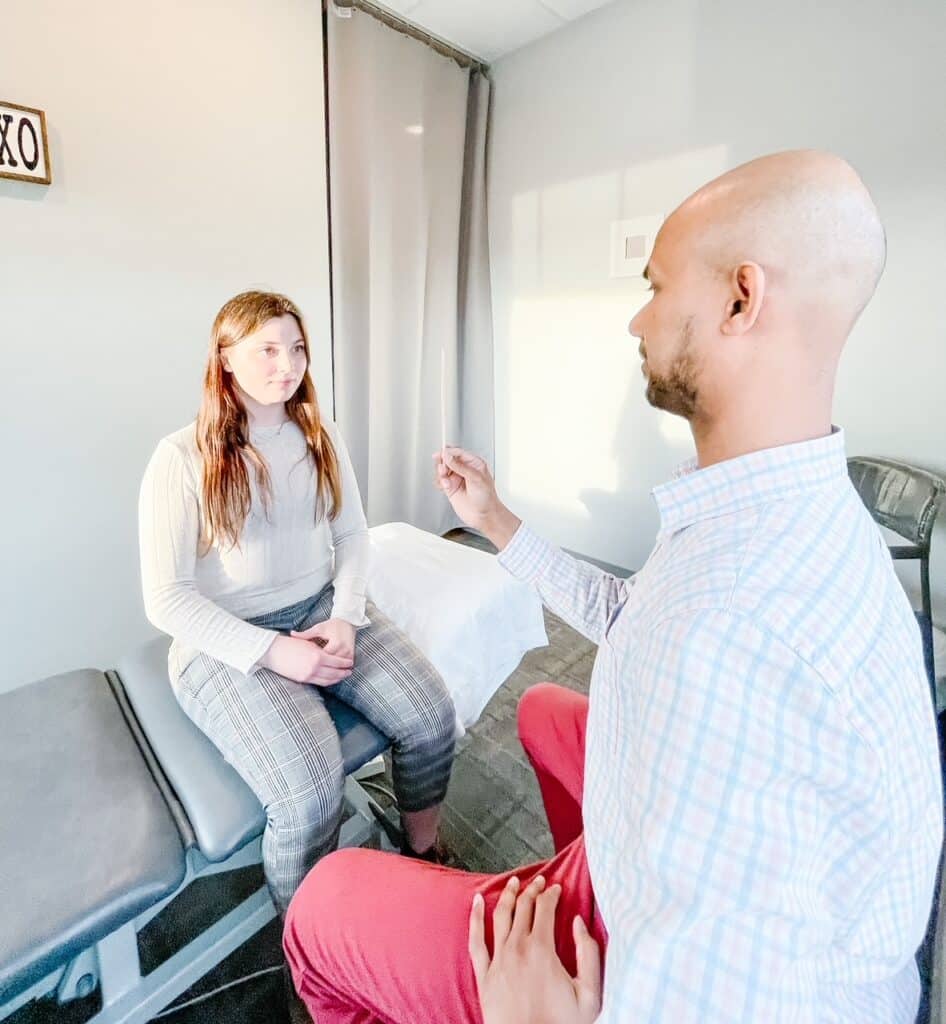
Neurological physiotherapy begins with understanding your condition, your current abilities, and the goals that matter most to you. We assess how you move, your balance, walking pattern, strength, mobility, and functional tasks to identify opportunities for improvement and develop strategies that support your independence.
Treatment focuses on retraining movement through purposeful, repetitive practice while building strength, endurance, balance, and confidence. Depending on your needs, sessions may include gait training, balance exercises, functional strengthening, mobility training, coordination activities, fall prevention strategies, and education for both patients and caregivers.
Our goal is to marry safety with independence to allow you to regain function.
Neurological Physiotherapy Can Help With
Neurological Conditions
- Stroke recovery (outpatient and ongoing rehabilitation)
- Parkinson's disease
- Multiple sclerosis (MS)
- Amyotrophic Lateral Sclerosis(ALS)
- Peripheral neuropathy
- Functional neurological disorders (FND)
- Bell's palsy
- Vestibular disorders affecting balance
- Mild traumatic brain injury (following medical clearance)
- Sensory impairment
Balance & Mobility Challenges
- Difficulty walking
- Balance impairments
- Frequent falls or fear of falling
- Reduced coordination
- Changes in gait
- Difficulty with stairs or uneven surfaces
- Mobility limitations
Strength & Functional Movement
- Muscle weakness
- Reduced endurance
- Difficulty transitioning from sitting to standing
- Challenges with daily activities
- Functional mobility training
- Deconditioning following neurological illness
Ongoing Recovery & Maintenance
- Continuing rehabilitation following hospital or inpatient therapy
- Maintaining mobility with progressive neurological conditions
- Improving confidence with movement
- Exercise programming for neurological conditions
- Fall prevention strategies
- Maintaining independence at home and in the community
- Spasticity management

What to Expect
Your first appointment begins with a conversation about your medical history, current abilities, daily routines, and personal goals. We then complete a comprehensive physical assessment that may include walking, balance, strength, mobility, coordination, and functional movement testing to better understand how your condition is affecting your everyday life.
Following your assessment, we’ll discuss our findings and work with you to develop a personalized treatment plan that reflects your goals and priorities. Treatment may include hands-on therapy, balance and mobility training, strengthening exercises, functional task practice, education, and a home exercise program designed to support your progress between visits.
Our focus is on helping you move more confidently, maintain your independence, and continue participating in the activities that matter most to you.