Physiotherapy
Phys·i·o·ther·a·py
From the Greek phýsis meaning “nature” and therapeía meaning “healing,” physiotherapy is grounded in restoring the body’s natural ability to move, adapt, and recover.
Physiotherapy focuses on how your muscles, joints, nerves, and connective tissues work together to support movement, strength, and everyday function. When pain, injury, or dysfunction disrupts this system, physiotherapy helps retrain and restore it. This applies over a broad spectrum of body areas such as the musculoskeletal, neurological, and cardiorespiratory system.
How it Works
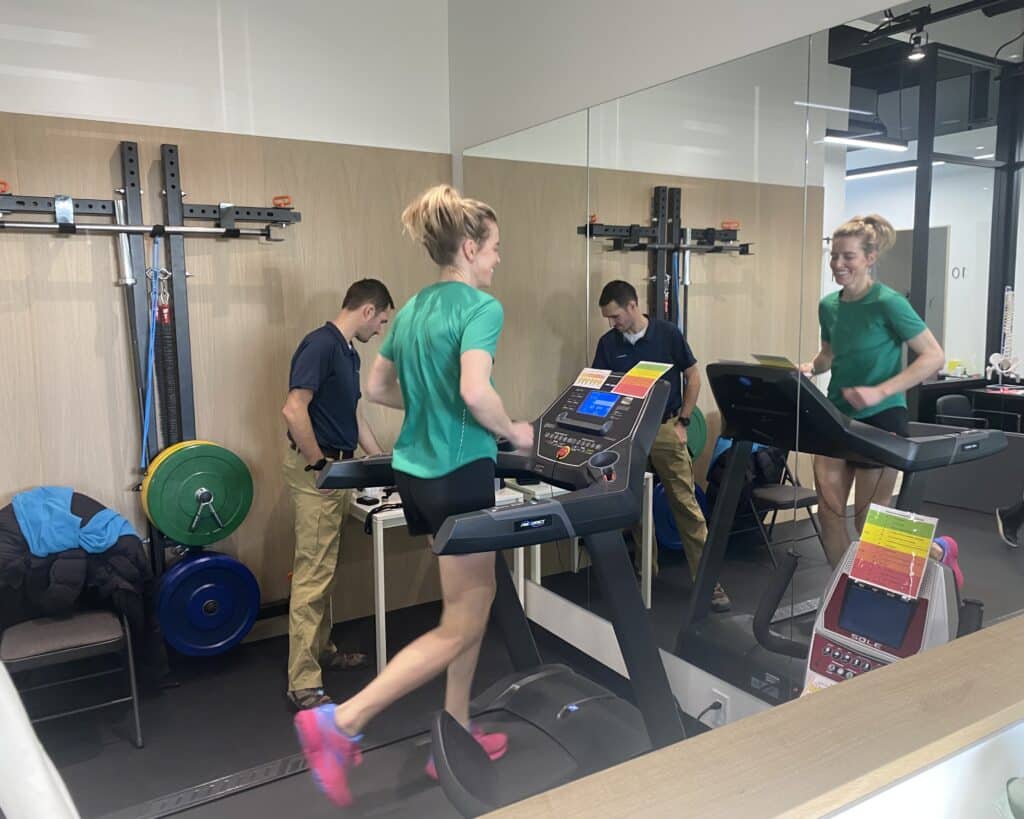
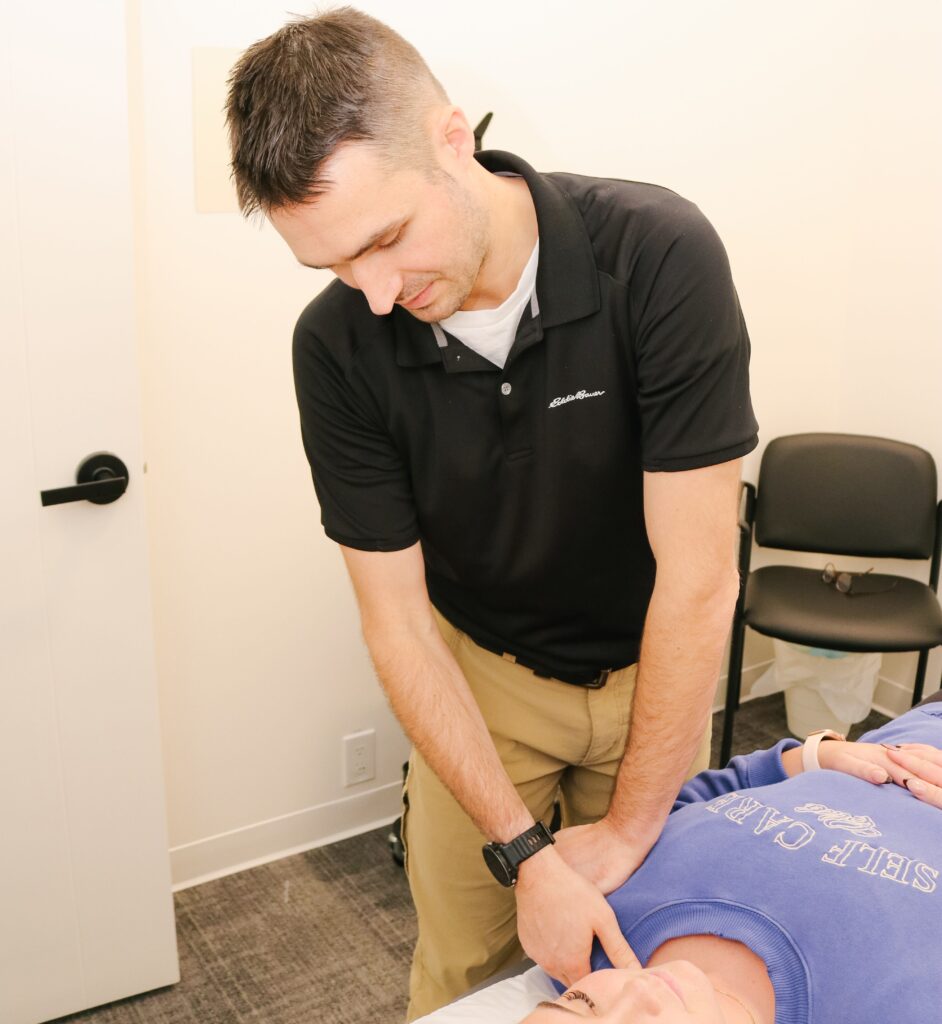
Though physiotherapy is an exercise-based profession, it’s also about understanding how pain affects movement, identifying what’s limiting your function, and addressing the underlying cause rather than just the symptoms. Whether the issue is weakness, stiffness, poor movement patterns, or nervous system sensitivity, the goal is to help you move with confidence again.
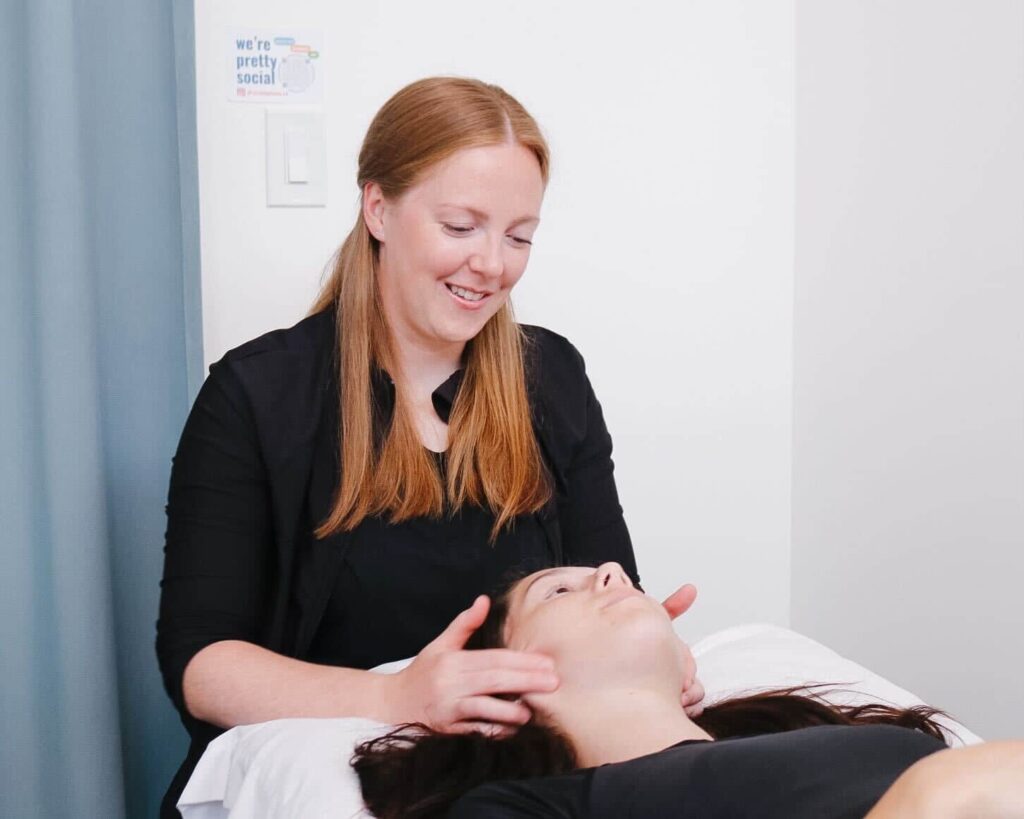
At Stride Physiotherapy in Red Deer, Blackfalds, and Stettler, we use a combination of hands-on treatment, movement retraining, education, and progressive loading, to support healing in a way that’s active and personalized.
Physiotherapy Can Help With
Physiotherapy can help reduce pain, improve movement, restore strength and mobility, and support recovery after injury, surgery, or illness. It can also help people manage ongoing conditions, prevent future injuries, and return safely to work, sport, and daily activities.
Musculoskeletal Conditions
- Back Pain (upper, mid, and lower back)
- Neck pain and stiffness
- Sciatica and nerve-related leg pain
- Disc injuries (bulging or herniated discs)
- Whiplash and Motor Vehicle Accident (MVA) injuries
- Muscle strains and tears
- Joint pain and dysfuntion (shoulders, hips, knees, ankles, etc.)
- Arthritis and degenerative joint conditions
Posture & Movement Issues
- Poor posture and postural fatigue
- Tech neck and screen-related strain
- Workplace and ergonomic injuries
- Repetitive strain injuries
- Limited mobility or stiffness
- Movement inefficiencies and compensation patterns
- Gait and balance dysfunction
Neurological & Pain Conditions
- Nerve irritation and entrapments
- Radiculopathy (nerve symptoms into arms or legs)
- Persistent or chronic pain
- Post-surigcal nerve sensitivity
- Concussion and vestibular symptoms
- Headaches related to movement or posture
Sports & Activity-Related Injuries
- Sprains and strains
- Ligament and tendon injuries
- Rotator cuff injuries
- Tennis elbow and golfer's elbow
- ACL and knee injuries
- Shin splints
- IT band syndrome
- Achilles and plantar fasciitis
- Return-to-sport and performance rehabilitation
Neurological Rehabilitation
- Stroke recovery
- Multiple Sclerosis (MS)
- Parkinson's disease
- Spinal cord injury
- Peripheral neuropathy
- Balance and coordination impairments
- Functional mobility challenges
- Weakness or altered muscle tone
- Neurological gait retraining
- Functional reconditioning after neurological illness
Pediatric Physiotherapy
- Gross Motor Delays
- Torticollis and plagiocephaly
- Coordination and balance challenges
- Toe walking
- Developmental conditions (e.g. CP, Down syndrome)
- Sports injuries in children and youth
- Growing pains and apophyseal injuries
- Postural concerns in school-aged children
- Return-to-sport for youth athletes
Concussion & Vestibular Rehabilitation
- Acute concussion management
- Persistent post-concussion symptoms
- Dizziness and vertigo
- Benign paroxysmal positional vertigo (BPPV)
- Visual-vestibular integration challenges
- Balance and sensory integration retraining
- Graded return-to-school/work planning
- Return-to-sports concussion protocols
Women's & Pelvic Health Physiotherapy
- Prenatal and postpartum rehabilitation
- C-section and perineal recovery support
- Pelvic floor dysfunction
- Urinary urgency, frequency, or incontinence
- Pelvic organ prolapse
- Pain with intercourse (dysparenia)
- Diastasis recti
- Persistent low back or pelvic girdle pain
- Perimenopause and menopause-related changes
- Core and pelvic floor return-to-exercise guidance

What To Expect
Physiotherapy at Stride begins with a comprehensive assessment where we gather the story of your body and the problems you are facing. We explore your injury history, current symptoms, movement patterns, overall health, lifestyle demands, and support systems. We then analyze how these elements influence your posture, strength, mobility, and motor control and how they may be contributing to pain or dysfunction. This understanding, along with considering your goals, allows us to create a personalized treatment plan focused on restoring movement, improving strength and stability, and supporting tissue healing.
Your plan to restore your body and function typically includes hands-on therapy, guided exercises, and education tailored to your needs. Each session focuses on helping you move better, manage your symptoms, and build confidence and independence to return you to your desired activities.