TMJ/Jaw Physiotherapy
TMJ/Jaw Physiotherapy
TMJ physiotherapy focuses on assessing and treating conditions affecting the jaw (temporomandibular joint or TMJ), and the surrounding muscles and structures. When functioning properly, the TMJs allow you to speak, chew, yawn, and move your jaw comfortably.
Jaw pain and dysfunction are often more complex than the joint itself. The muscles of the jaw work closely with the neck, shoulders, head, and nervous system, meaning tension, injury, posture, stress, or repetitive movements can all contribute to symptoms.
At Stride Physiotherapy, we take a comprehensive approach to TMJ dysfunction by assessing the jaw as part of the whole body. Our goal is to reduce pain, restore normal movement, and help you return to eating, speaking, and everyday activities with greater comfort and confidence.
When Should I See a TMJ Physiotherapist?
If your jaw is painful, stiff, clicking, or affecting your ability to eat or speak comfortably? Physiotherapy may help identify the underlying contributors and restore normal movement.
You may benefit from TMJ physiotherapy if you:
- Have pain around your jaw, face, ears, or temples.
- Notice clicking, popping, or locking when you open or close your mouth.
- Have difficulty chewing, yawning, or opening your mouth fully.
- Wake up with jaw tightness or facial muscle fatigue.
- Experience headaches that seem related to jaw or neck tension.
- Notice increased jaw discomfort during periods of stress.
- Continue to have jaw symptoms despite dental treatment or experience problems after a dental treatment.
- Experience tooth pain that has been evaluated by a dentist and determined not to be dental in origin.
Many people experience a combination of jaw, neck, and headache symptoms. A comprehensive assessment can help determine how these areas are working together.
How it Works
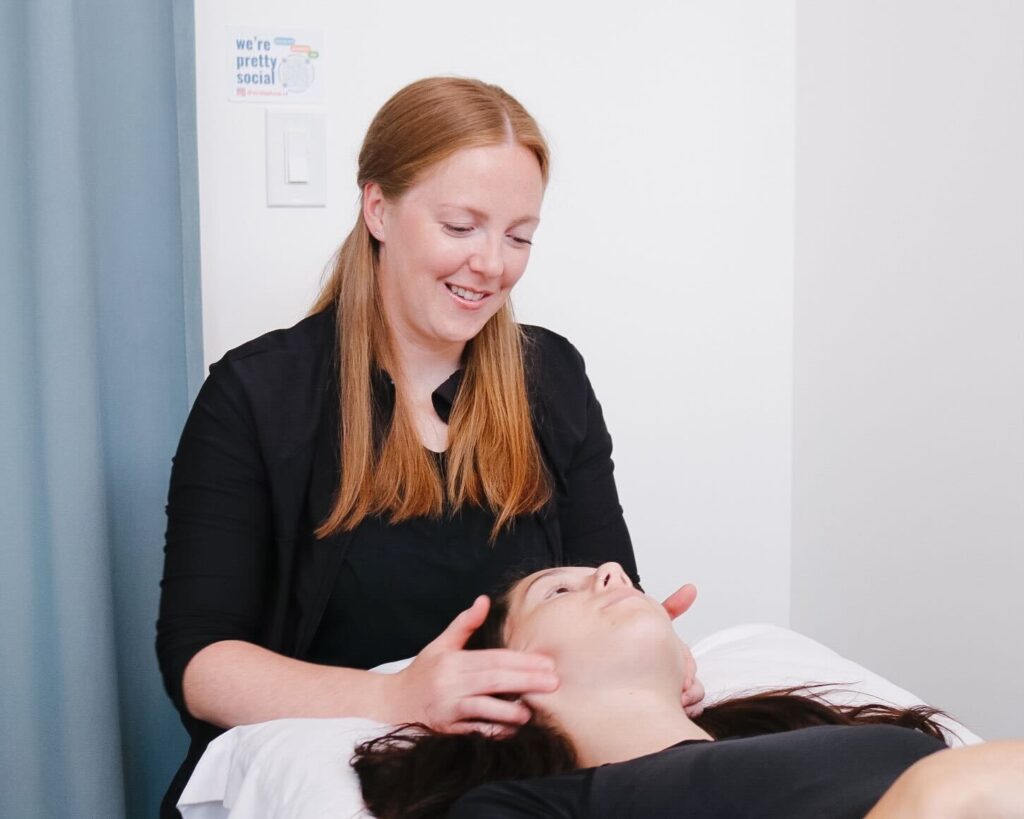
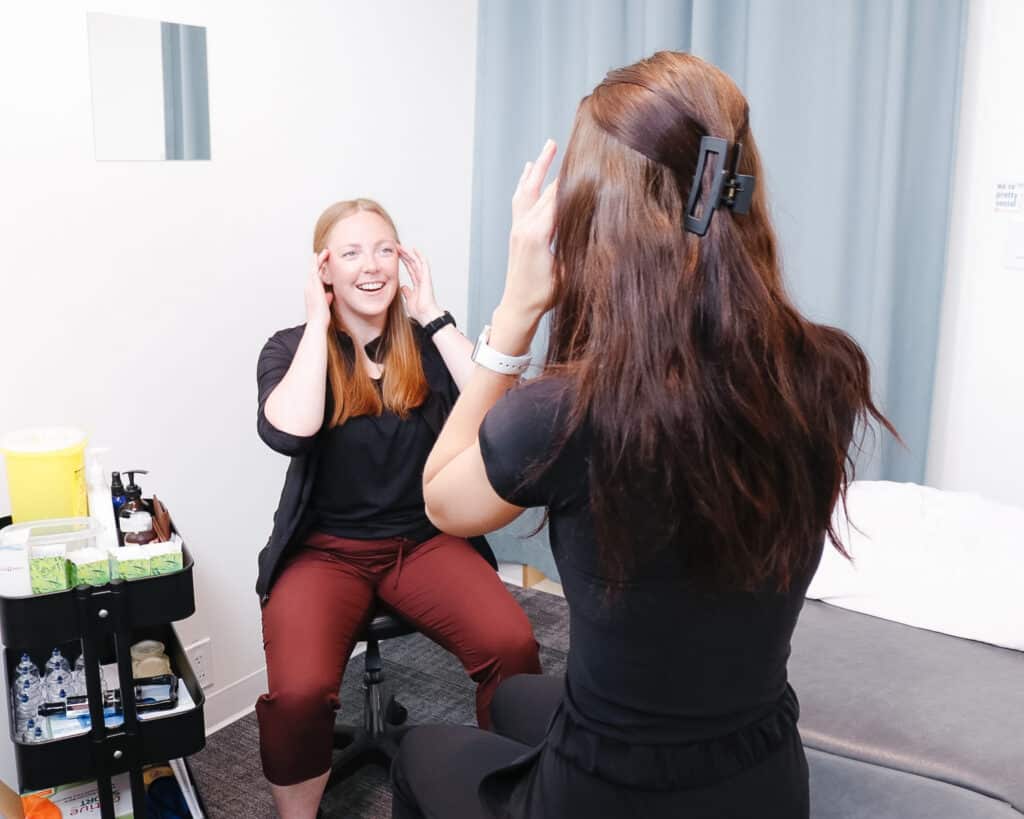
TMJ physiotherapy begins by understanding your symptoms, medical history, lifestyle, and daily activities. We assess how your jaw moves, how your muscles and joints function, and whether factors such as your neck, posture, breathing, or movement patterns may be contributing to your symptoms.
A assessment may include evaluating jaw opening and closing, side-to-side movement, muscle tenderness, joint mobility, neck mobility, posture, and functional activities such as chewing and speaking.
Treatment is tailored to your individual needs and may include hands-on therapy, joint mobilization, soft tissue treatment, exercise, movement retraining, posture correction, education, relaxation strategies, and guidance to reduce unnecessary strain on the jaw.
Our goal is to improve jaw function, reduce pain, and help you return to everyday activities with greater comfort and confidence.
TMJ/Jaw Physiotherapy Can Help With
Jaw Pain & Dysfunction
- Difficulty opening or closing the mouth
- Jaw stiffness, limited mobility or locking
- Clicking, popping, or grinding of the jaw
- Pain while chewing or talking
Muscle-Related Conditions
- Muscle tension of the jaw and face
- Teeth clenching
- Jaw muscle fatigue
- Facial muscle pain
Neck & Head Symptoms
- Neck pain associated with TMJ dysfunction
- Headaches related to jaw or neck tension
- Pain around the temples, ears, or face
- Postural dysfunction contributing to jaw symptoms
Recovery Following Injury or Dental Procedures
- Jaw injuries
- Recovery following dental procedures
- Persistent jaw stiffness
- Reduced jaw mobility following trauma
- Movement retraining after prolonged jaw dysfunction
What to Expect
Your first appointment begins with a discussion about your symptoms, medical history, lifestyle, and goals. We take the time to understand when your symptoms occur, what aggravates or relieves them, and how they affect your daily life.
Your assessment may include evaluating jaw movement, muscle function, joint mobility, neck mobility, posture, and movement patterns to better understand the factors contributing to your symptoms.
Following your assessment, we’ll explain our findings and work with you to develop a personalized treatment plan. Treatment may include hands-on therapy, exercises, movement retraining, posture education, and home strategies designed to improve jaw function and reduce strain during everyday activities.
Success for us looks like pain-free dining full of conversation and laughter!