
Vestibular Physiotherapy
Vestibular Physiotherapy
Vestibular physiotherapy focuses on assessing and treating conditions that affect your balance system. Located within the inner ear, the vestibular system works together with your eyes, brain, muscles, and joints to help you maintain balance, keep your vision stable during movement, and orient yourself in space. This system works with your eyes and the receptors in your skin, muscles, and joints to keep you properly oriented to the world around you.
When this system isn’t functioning properly, you may experience dizziness, vertigo, unsteadiness, motion sensitivity, blurred vision with movement, or an increased risk of falls. Vestibular physiotherapy helps identify the underlying cause of these symptoms and provides targeted treatment to restore balance, improve confidence, and reduce dizziness.
When Should I See a Vestibular Physiotherapist?
Dizziness and balance problems are common, but they are not a normal part of aging and shouldn’t be ignored. Many vestibular conditions respond very well to physiotherapy.
You may benefit from vestibular physiotherapy if you:
- Experience spinning or vertigo when changing positions.
- Feel dizzy when turning your head or moving quickly.
- Feel unsteady while walking or standing.
- Have difficulty maintaining your balance.
- Have experienced one or more falls.
- Notice blurred vision or difficulty focusing while moving.
- Continue to experience dizziness following a concussion or illness.
If dizziness is affecting your ability to work, exercise, drive, or enjoy everyday activities, a vestibular assessment can help identify the cause and determine whether physiotherapy is appropriate.
How it Works
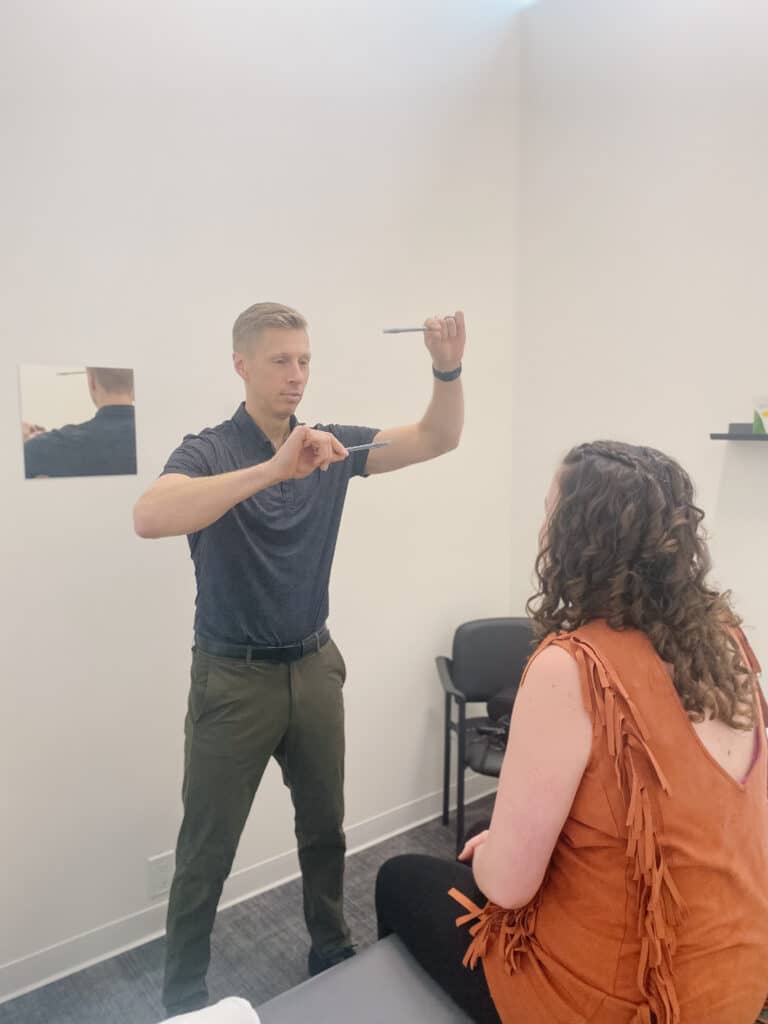
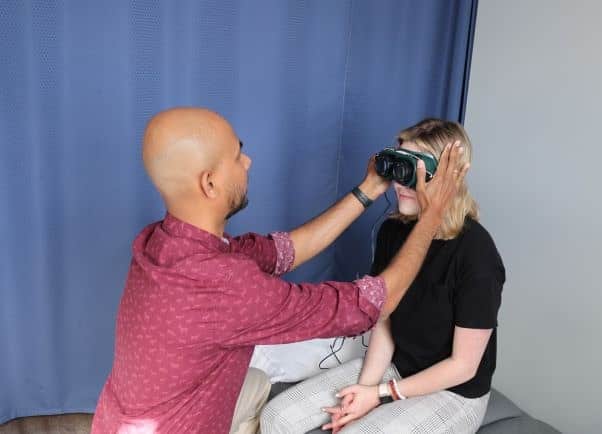
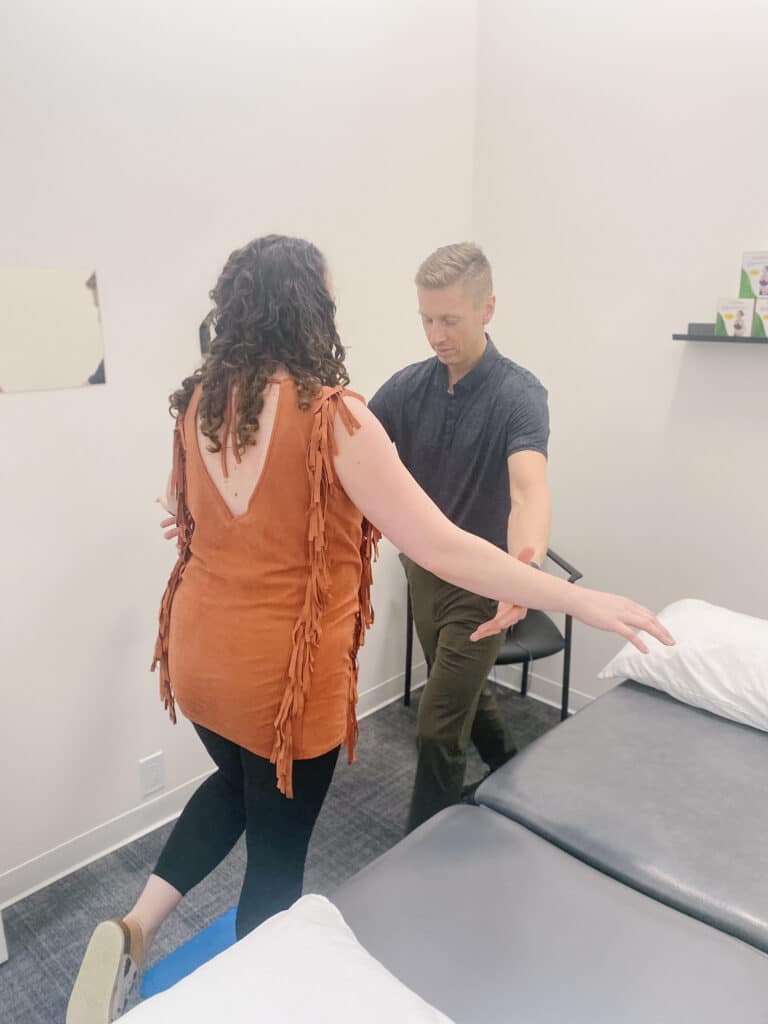
Because balance depends on several body systems working together, vestibular physiotherapy begins with a comprehensive assessment to determine what’s contributing to your symptoms. This may include evaluating your inner ear (vestibular system), eye movements, balance, walking, neck mobility, and movement patterns.
Not all dizziness is caused by the same condition. Some people experience brief episodes of spinning, while others feel unsteady, lightheaded, or develop symptoms only when moving their head or changing positions. Understanding the source of your dizziness is essential to developing an effective treatment plan.
Depending on your assessment findings, treatment may include repositioning maneuvers, balance retraining, gaze stabilization exercises, habituation exercises, walking and mobility training, cervical spine treatment, education, and progressive movement exercises designed to help your brain adapt and recover.
Our goal is to reduce dizziness, improve balance, restore confidence, and help you safely return to the activities you enjoy.
Vestibular Physiotherapy Can Help With
Positional Vertigo
- Benign Paroxysmal Positional Vertigo (BPPV)
- Brief episodes of spinning with position changes
- Dizziness when rolling in bed, looking up for bending over
Vestibular Disorders
- Vestibular neuritis
- Labyrinthitis
- Unilateral vestibular hypofunction
- Bilateral vestibular hypofunction
- Persistent Postural-Perceptual Dizziness (PPPD)
- Vestibular migraine
- Visual vertigo
- Motion sickness and sensitivity
Balance & Walking Difficulties
- Unsteadiness and reduced confidence while walking
- Poor balance
- Frequent falls or fear of falling
- Difficulty walking on uneven ground
- Balance changes associated with aging
Vestibular Symptoms Associated With Other Conditions
- Persistent dizziness following concussion
- Cervicogenic (neck generated) dizziness
- Visual-vestibular dysfunction
- Balance changes following illness

What to Expect
Your first appointment begins with a detailed discussion about your symptoms, medical history, and how dizziness or balance problems affect your daily life. Because dizziness can have many different causes, we’ll ask questions about when your symptoms occur, what movements provoke them, and how long they last.
Your assessment may include evaluation of your eye movements, balance, walking, head movement, neck mobility, positional testing, and vestibular function. Some tests may temporarily reproduce your symptoms, which helps us accurately identify the underlying cause.
Following your assessment, we’ll explain our findings, answer your questions, and develop a personalized treatment plan. Treatment may include repositioning maneuvers for BPPV, balance training, gaze stabilization exercises, vestibular rehabilitation, cervical spine treatment, education, and home exercises designed to support your recovery.
As a precaution, the assessment often provokes symptoms and can have patients feeling unwell for many hours. It is a good idea to consider having someone drive you to and from your appointment for that reason.
Our goal is to help you move confidently again, reduce dizziness, improve balance, and return safely to your everyday activities.