
Pediatric Physiotherapy
Pediatric Physiotherapy
Children are constantly growing, learning, and developing new movement skills. Pediatric physiotherapy focuses on supporting these milestones by helping infants, children, and adolescents move with confidence and participate fully in everyday activities.
From “tummy time” and first steps to running, jumping, and returning to sport after an injury, there are many movement milestone expectations that parents might be concerned about for their child. Pediatric physiotherapists assess how children move, develop, and interact with their environment. Treatment is individualized to each child’s age, abilities, underlying conditions, and goals, while recognizing that every child develops at their own pace.
At Stride Physiotherapy, we partner with families to provide evidence-informed care in a supportive, encouraging environment where children can build confidence while developing movement skills that carry into everyday life.
When Should I Bring My Child to Physiotherapy?
It’s common for parents to wonder whether what they’re seeing is “just a phase” or something that needs to be assessed by a professional. In many cases, early evaluation can provide reassurance, simple strategies to support development, or identify concerns before they become more significant.
A physiotherapy assessment might make sense for your family if your child:
- Is slower to reach motor milestones such as rolling, sitting, crawling, standing, or walking.
- Prefers turning their head to one side or has a flat spot on their head as an infant.
- Walks on their toes consistently.
- Seems clumsy, falls frequently, or has difficulty with balance and coordination.
- Avoids running, jumping, climbing, or keeping up with peers during play.
- Complains of recurring pain during sports or everyday activities.
- Has difficulty recovering after an injury or concussion.
- Has been diagnosed with a neurological, developmental, or genetic condition affecting movement.
- Has been referred by their physician, pediatrician, or another healthcare professional.
- Or, if you simply have questions or concerns about how they are moving or developing.
It is important to know you don’t need a diagnosis or referral to see a pediatric physiotherapist. If uncertainty is leading to stress and worry, we’re happy to assess your child’s movement, answer your questions, and help determine the next best steps.
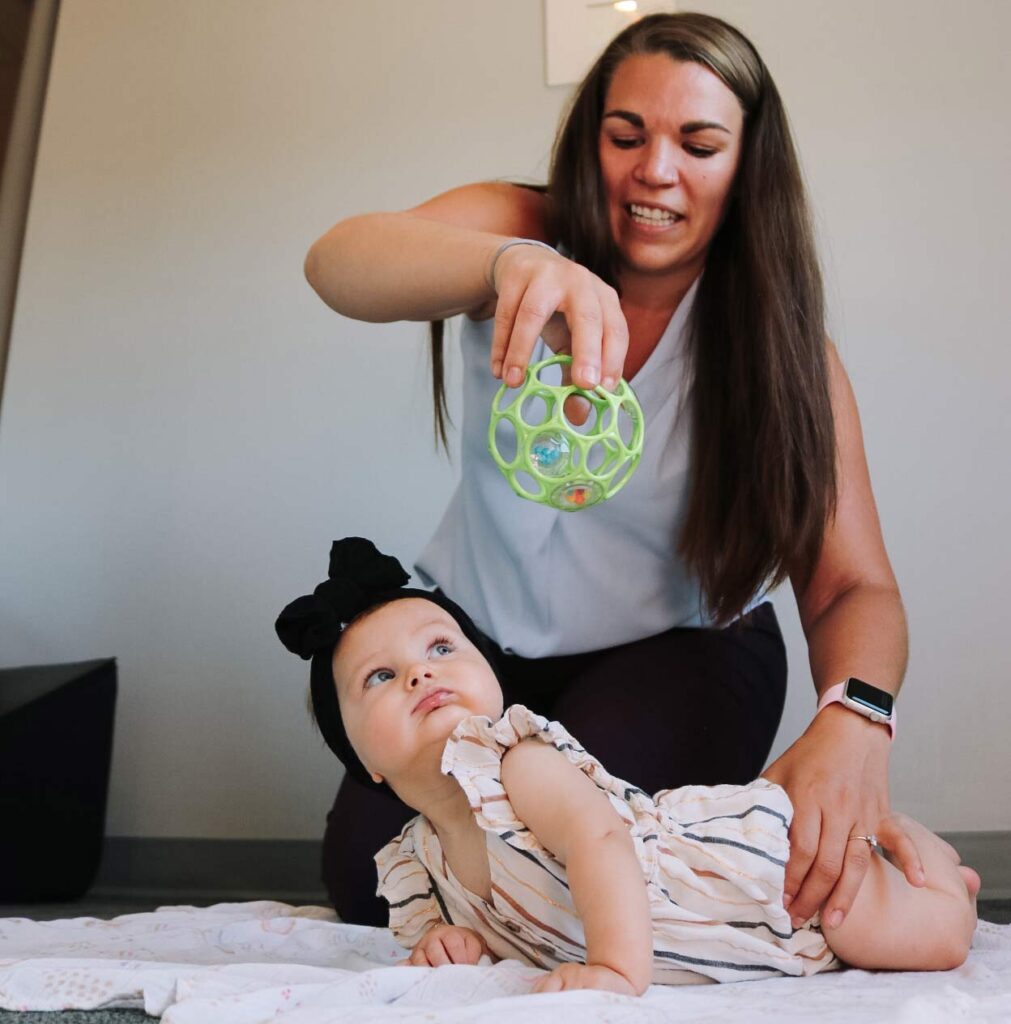

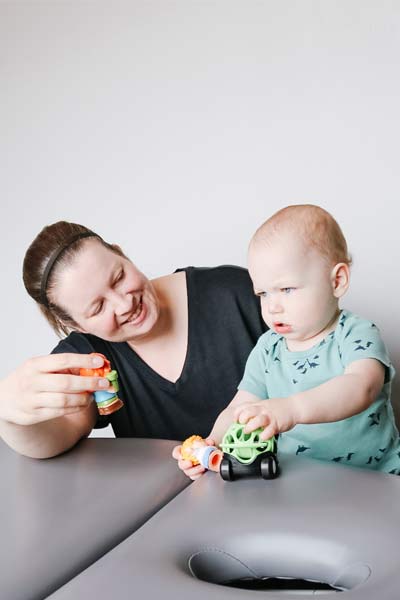
How it Works
Pediatric physiotherapy looks beyond a specific injury or diagnosis to understand how a child’s strength, mobility, coordination, balance, motor control, and movement patterns influence their ability to participate in everyday life, recreation and sports.
Assessment begins by understanding your child’s history, development, daily activities, and your family’s concerns. We observe how they move through play, functional activities, and age-appropriate tasks to identify factors that may be contributing to pain, delayed motor development, movement difficulties, or reduced participation.
Treatment is designed to feel like play whenever appropriate. Sessions may include movement-based activities, strengthening exercises, balance and coordination training, motor skill development, education for parents and caregivers, and home strategies that can be incorporated into daily routines.
Our goal is to help children gain the skills and confidence they need to succeed at home, at school, on the playground, and in their chosen sports.
Pediatric Physiotherapy Can Help With
Infants & Early Development
- Gross motor delays
- Delayed rolling, sitting, crawling, or walking
- Torticollis
- Plagiocephaly (flat head syndrome)
- Preference for turning the head to one side
- Muscle weakness or asymmetry
- Developmental milestone concerns
- Toe walking
Developmental & Neurological Conditions
- Down syndrome
- Developmental coordination disorder (DCD)
- Genetic syndromes affecting movement
- Low or high muscle tone
- Balance and coordination challenges
- Neurological movement disorders
Orthopedic & Musculoskeletal Conditions
- Growing pains
- Apophyseal injuries (Sever's disease, Osgood-Schlatter disease)
- Joint and muscle injuries
- Sprains and strains
- Fracture rehabilitation
- Postural concerns
- Hypermobility
- Neck and back pain
Sports Injuries
- Return-to-sport rehabilitation
- ACL and knee injuries
- Ankle sprains
- Running injuries
- Overuse injuries
- Concussion recovery
- Injury prevention and movement assessment
Movement & Functional Challenges
- Poor balance
- Coordination difficulties
- Difficulty running, jumping, or hopping
- Frequent falls
- Reduced endurance
- Walking or gait concerns
- Functional strength deficits

What to Expect
Your child’s first appointment begins with a conversation about their development, medical history, daily activities, and the goals that matter most to your family. We then complete a thorough assessment that is tailored to your child’s age and abilities. For younger children, this often looks like play. For older children and adolescents, it may include movement testing, strength assessment, balance activities, and functional tasks.
Following the assessment, we’ll explain our findings, answer your questions, and develop a personalized treatment plan together. Family-centered care is paramount to our process to ensure the plan can be executed outside our clinic walls. This may include hands-on treatment, movement-based exercises, home activities, and strategies for parents or caregivers to support progress between visits.
Our goal is to create a positive experience where children feel comfortable, engaged, and successful while helping them build the movement skills and confidence they need for everyday life.