

If you’ve never seen a chiropractor before, you might picture a quick back crack and not much else. In reality, a visit to Stride often includes a mix of hands-on techniques chosen for your specific needs. Knowing what happens during a chiropractic adjustment, and what other tools your chiropractor may use, can help you feel more comfortable and confident before your first appointment.
What Does a Chiropractor Do During Treatment?
Every visit starts with understanding you. Your chiropractor will ask about your symptoms, daily activities, and goals, then assess your posture, movement, and strength. From there, they build a plan that may include one or several of the techniques below. You’ll always have the chance to ask questions and share your preferences before anything begins. You can also learn more about our approach on our chiropractic services page.
Chiropractic Techniques Explained
Adjustments and Joint Mobilization
A chiropractic adjustment, also called spinal manipulation, is a quick, controlled movement applied to a joint. You might hear a pop, which is simply gas releasing within the joint. A joint mobilization technique is slower and gentler, moving a joint through its range in rhythmic motions. Both aim to help improve movement and reduce stiffness, and your chiropractor will choose the approach that suits your comfort level and condition
Soft Tissue Therapy and Myofascial Release
Soft tissue therapy in chiropractic care focuses on muscles, tendons, and the fascia that surrounds them. Myofascial release uses slow, sustained pressure to help ease tight or restricted areas, which can support easier movement and reduce muscle tension.
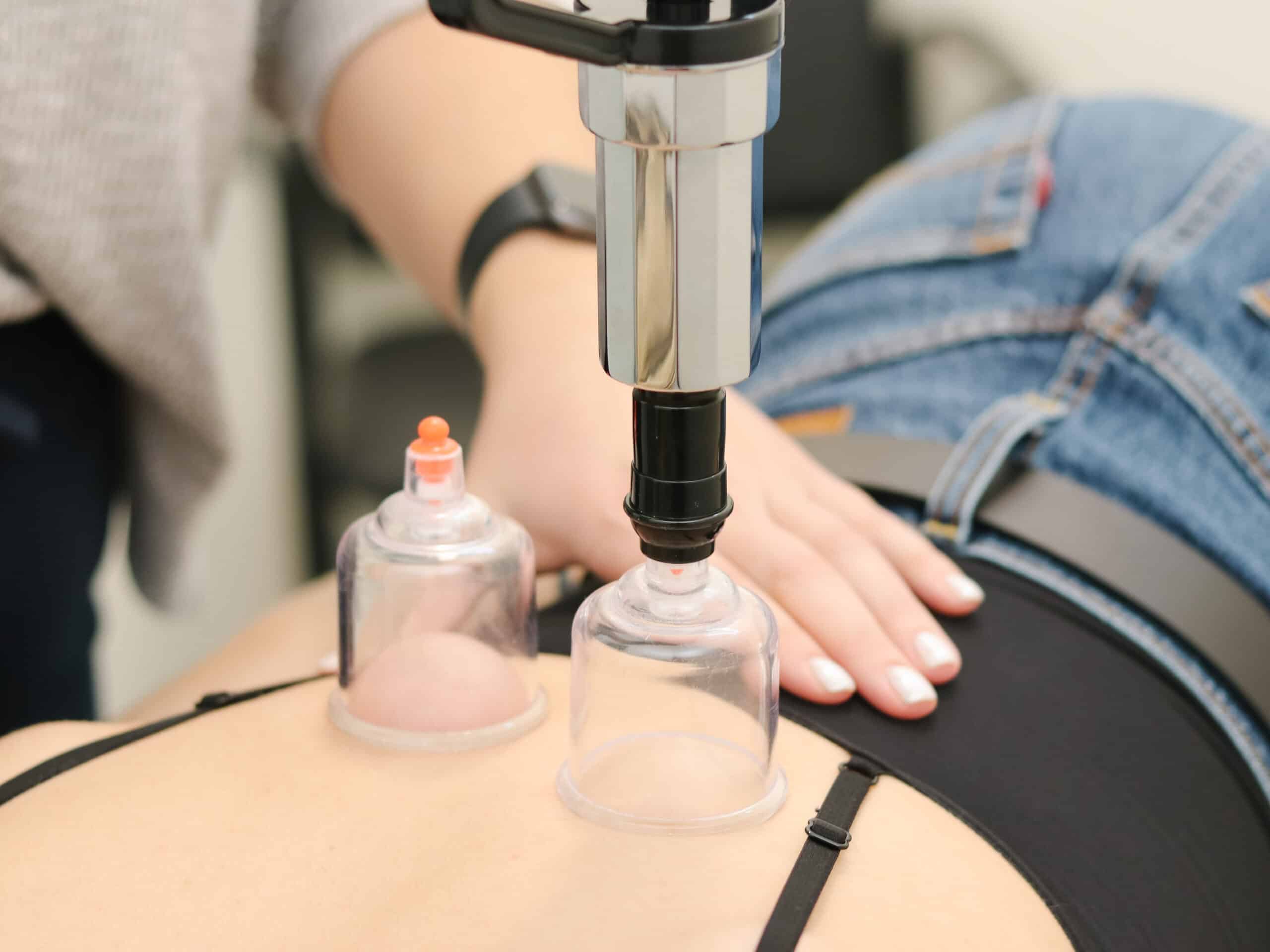
Cupping
Chiropractic cupping uses cups that create gentle suction on the skin, lifting the tissue rather than pressing into it. Does cupping help with muscle pain? Many patients report short-term relief, especially for tight muscles in the back, neck, and shoulders, and it’s often used alongside other techniques. Curious to try it between visits? Read our guide on how to use cupping therapy at home.
Acupuncture
Acupuncture involves placing very thin, sterile, single-use needles at specific points to help reduce pain and muscle tension. Most people feel little more than a light tap or a dull ache as the needle goes in.
Chiropractic Taping
Chiropractic taping uses a stretchy, flexible tape applied to the skin to support muscles and joints without limiting your movement. It’s often used to help you stay active between appointments.
Rehabilitative Exercise
Hands-on care works best when it’s paired with movement. Your chiropractor will likely show you a few simple exercises to help build strength and support the progress you make in the clinic.
Frequently Asked Questions About Chiropractic Treatment
What’s the difference between a chiropractic adjustment and joint mobilization?
An adjustment is a quick, precise movement, while joint mobilization is slower and gentler, moving the joint repeatedly within a comfortable range. Both can help improve movement, and some people prefer mobilization if they’re new to chiropractic care. Your chiropractor will talk through which option is right for you.
Does cupping leave marks, and how long do they typically last?
Yes, cupping often leaves round, red or purple marks where the cups were placed. They usually aren’t painful and typically fade within a few days to about two weeks. If you have an event coming up, let your chiropractor know so they can plan around it.
Can chiropractors do acupuncture?
Yes, chiropractors who have completed additional acupuncture training can include it in their care. At Stride, acupuncture is one of the tools our chiropractors may use, often alongside other hands-on techniques. Visit our chiropractic services page to learn more.
How do chiropractors decide which techniques to use for a specific injury?
It starts with your assessment. Your chiropractor looks at what’s likely causing your symptoms, how long you’ve had them, your activity level, and your comfort with different techniques. Your plan can change as you improve.
Can these techniques be combined within a single treatment session?
Yes, and they often are. A single visit might include soft tissue work and mobilization, followed by taping or a few exercises to take home. For more complex cases, your chiropractor may also work with other practitioners. Learn more about how chiropractic and physiotherapy work together at Stride.
Final Thoughts
A chiropractic treatment is much more than a single technique. By combining adjustments, mobilization, soft tissue therapy, cupping, acupuncture, taping, and exercise, your chiropractor can tailor each visit to what your body needs that day.
Take the First Step Today
Whether you’re dealing with back pain, neck stiffness, or a nagging sports injury, Stride’s chiropractors are here to help you move and feel better. Your care begins with a conversation, so you’ll always know what to expect. Have a question first? Reach out through our contact page.