Massage Therapy
Mas·sage Ther·a·py
Derived from the Greek mássō, meaning “to knead or work with the hands,” massage therapy reflects the intentional, hands-on approach used to support the body’s healing and recovery.
Massage therapy focuses on the health of muscles, connective tissues, and the nervous system. Massage recognizes how tension, stress, injury, and movement patterns all influence how the body feels and functions. When tissues become tight, overworked, or irritated, massage therapy helps restore balance and mobility.

How Massage Works
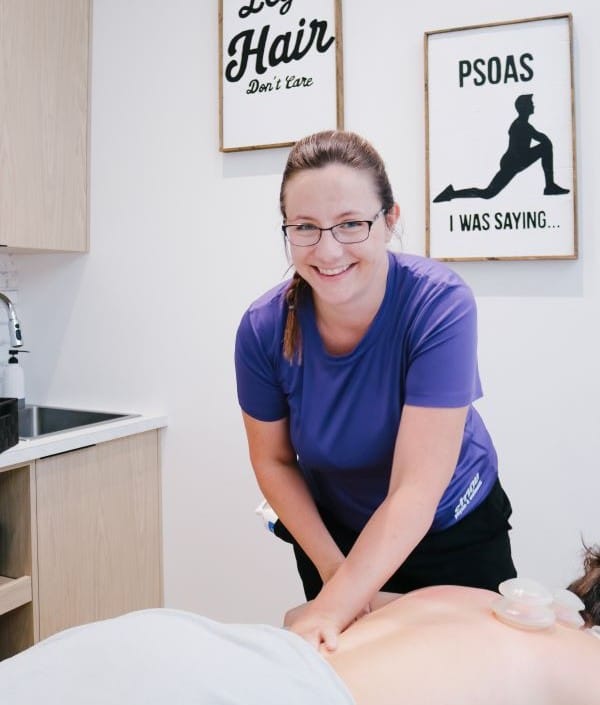
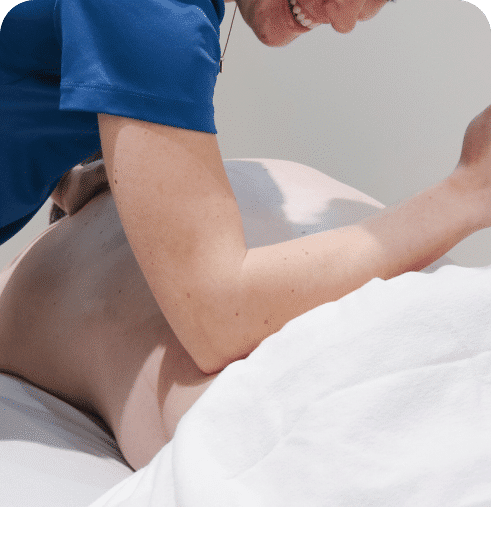
Massage therapy is more than relaxation. It is about understanding where tension lives in the body, why it’s there, and how it impacts movement and pain. Whether the goal is recovery from injury, stress management, or improving overall function, massage therapy works to reduce restrictions and support tissue health. Through skilled hands-on techniques, targeted treatment, and individualized care, massage therapy helps the body recover, reset, and move with greater ease.
Massage Therapy Can Help With
Massage therapy can help reduce muscle tension, ease pain, improve circulation, and promote relaxation. It may also support recovery from injury, improve mobility, and help manage stress-related tightness.
Muscle & Soft Tissue Conditions
- Muscle tension and tightness
- Muscle strains and overuse injuries
- Myofascial restrictions
- Trigger points
- Postural muscle imbalances
- Chronic muscle pain
- Scar tissue and soft tissue adhesions
Stress & Nervous System Support
- Stress-related tension
- Headaches related to muscle tension
- Jaw tension and TMJ-related discomfort
- Sleep-related muscle tightness
- Burnout and nervous system overload
- Generalized body tension
Injury Recovery & Rehabilitation Support
- Sports-related muscle injuries
- Post-exercise soreness and recovery
- Motor Vehicle Accident (MVA)–related muscle pain
- Post-surgical soft tissue restrictions
- Repetitive strain injuries
- Workplace-related muscle fatigue
Joint & Movement-Related Discomfort
- Shoulder and neck tension
- Low back and hip tightness
- Upper back and postural strain
- Reduced flexibility or mobility
- Movement-related muscle discomfort
Perinatal Massage (Prenatal & Postpartum)
- Sciatic nerve irritation during pregnancy
- Rib and mid-back discomfort
- Swelling and circulation support
- Headaches and neck tension
- C-section scar mobility support
- Upper back and shoulder tension from feeding and carrying
Pediatric Massage (Children & Youth)
- Growing pains
- Sports-related muscle soreness
- Postural strain from school and activities
- Headaches related to muscle tension
- Anxiety-related muscle tightness
- Recovery support for young athletes
What To Expect
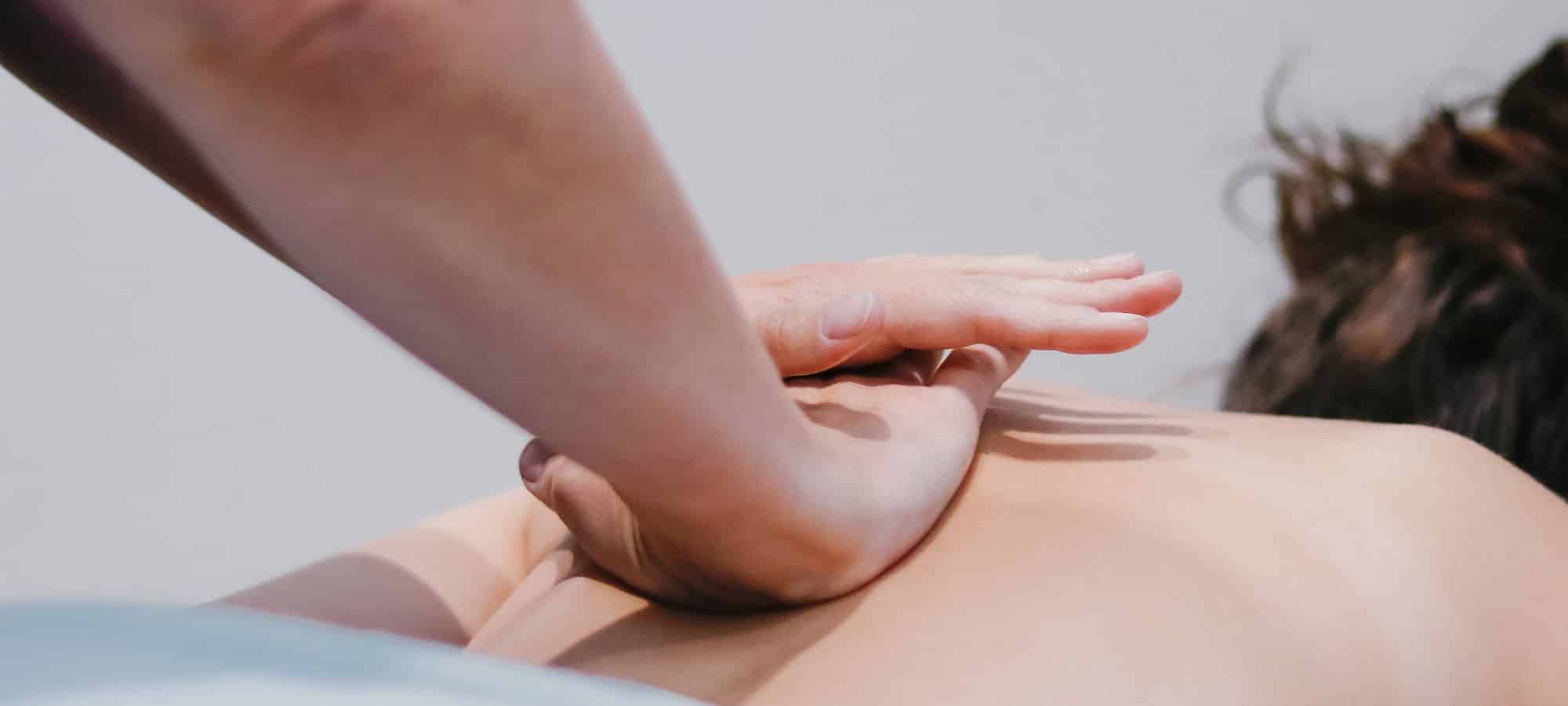
Massage Therapy at Stride begins with a brief discussion of your body problems, your goals, and your preferences for massage (i.e. depth of pressure, techniques, etc.). We assess how muscle tone, soft tissue restrictions, posture, and nervous system regulation may be contributing to pain, stiffness, or reduced function. This understanding allows us to target the appropriate trouble areas to relieve tension, improve mobility, support circulation, and promote overall recovery.
Your plan to restore comfort and function includes hands-on soft tissue therapy, targeted techniques specific to your needs, and education around posture, recovery, and stress management. Each session is designed to help your body reset, improve how you move and feel, and build resilience so you can return to your daily activities with greater ease and confidence.
Sub-specialties of Massage Therapy at Stride that your therapist selects or combines to help you achieve your therapy goals may include:
- Deep Tissue Massage
- Craniosacral Therapy
- Therapeutic Massage
- Pre-natal Massage
- Sport Massage
- Cupping Massage
- Pediatric Massage (Ages 5+)
Massage therapy can be used on its own or alongside physiotherapy and chiropractic care to play a key role in recovery, performance, and long-term movement health.